For 24/7 Emergency Care, Call : +91 95130 25255

Anal Fissure Treatment in Bengaluru | Expert Care at Vimalalaya Hospital
Learn about anal fissure causes, symptoms, home remedies, and advanced treatment options at Vimalalaya Hospital — The Best Hospital in Electronic City Bengaluru for expert gastrointestinal and surgical care.
GASTROENTEROLOGY
5/22/2026
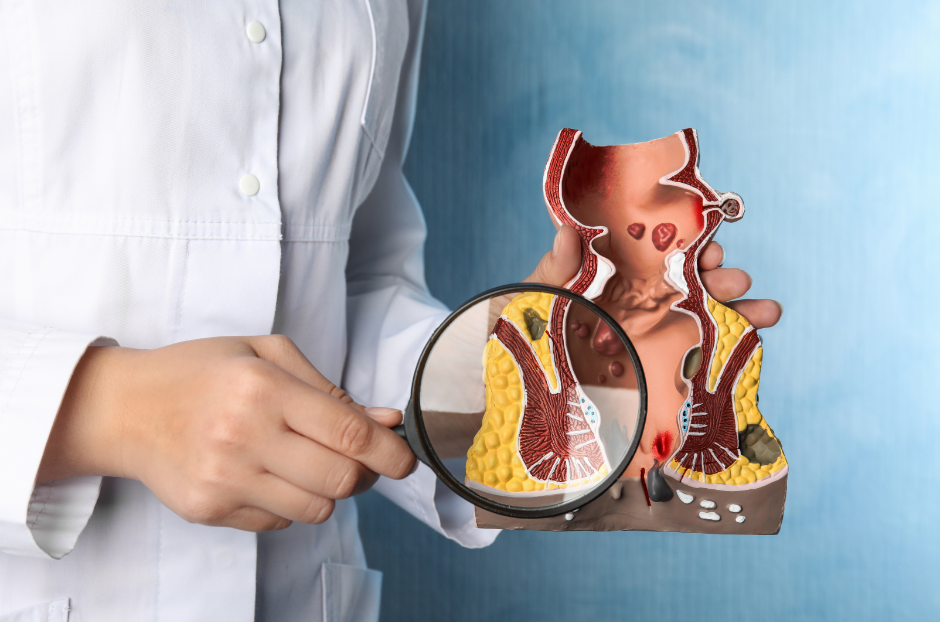
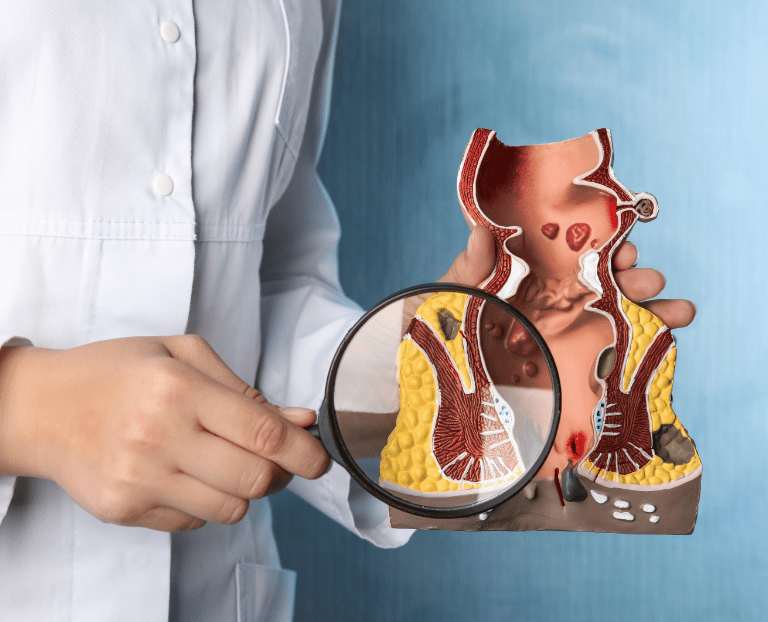
Anal Fissure
Causes, Symptoms & Effective Treatment Options
Pain during bowel movements is something many people ignore until it starts affecting their daily life. Anal fissure is one such painful condition that can make even simple activities uncomfortable. At Vimalalaya Hospital, often regarded by many patients as The Best Hospital in Electronic City Bengaluru, our experienced specialists regularly treat individuals suffering from fissures with advanced, patient-friendly care. Understanding the symptoms early and seeking proper treatment can prevent long-term complications and improve your quality of life.
What Is an Anal Fissure?
An anal fissure is a small tear or crack in the lining of the anal canal. Although it may sound minor, it can cause severe pain, burning sensation, and bleeding during bowel movements. Many people confuse fissures with piles (hemorrhoids), but they are entirely different conditions.
While piles occur due to swollen veins, fissures develop because of injury or trauma to the anal lining, often caused by passing hard stools or chronic constipation.
At Vimalalaya Hospital, our specialists frequently see patients who delay treatment because they mistake fissures for piles. Early diagnosis can make treatment much easier and faster.
Common Symptoms of Anal Fissure
Anal fissures usually produce noticeable symptoms that should never be ignored. These include:
• Sharp pain during bowel movements
• Burning sensation in the anal region
• Bright red blood in stools or on toilet paper
• Pain that continues for hours after passing stool
• Tightness or spasms in the anal muscles
• Difficulty sitting comfortably
• Constipation due to fear of pain
One important difference between fissures and piles is the nature of pain. In fissures, the pain usually comes in episodes and becomes worse during bowel movements.
If these symptoms persist for more than a few weeks, consulting experts at The Best Hospital in Electronic City Bengaluru can help prevent chronic complications.
Why Do Anal Fissures Occur?
Several factors can contribute to the development of anal fissures. The most common causes include:
1. Constipation
Hard stools can stretch and tear the delicate anal lining.
2. Excessive Straining
Spending too much time in the toilet and straining during bowel movements increases pressure in the anal canal.
3. Tight Anal Muscles
Some individuals naturally have tighter anal sphincter muscles, increasing the risk of tears.
4. Low-Fiber Diet
Poor dietary habits and inadequate water intake can lead to constipation and fissures.
5. Pregnancy
Pregnant women are more prone to fissures because of increased pressure and constipation.
At Vimalalaya Hospital, our doctors focus not only on treating the fissure but also on identifying the underlying cause to prevent recurrence.
Acute vs Chronic Anal Fissure
Acute Anal Fissure
This is a newly developed fissure that often heals within a few days to weeks with proper care.
Chronic Anal Fissure
If symptoms persist beyond 6–8 weeks, the condition becomes chronic. Chronic fissures may require medications or surgical intervention.
Ignoring chronic fissures can lead to continuous pain, repeated bleeding, and reduced quality of life.
Diagnosis of Anal Fissure
Diagnosis usually involves:
• Detailed discussion of symptoms
• Physical examination of the anal region
• Digital rectal examination when necessary
Since several conditions can mimic fissures, professional evaluation is important. At The Best Hospital in Electronic City Bengaluru, specialists at Vimalalaya Hospital provide compassionate and confidential assessment for all anorectal conditions.
Home Remedies and Lifestyle Changes for Fissure Relief
Many acute fissures improve with simple lifestyle changes and home care.
Increase Fiber Intake
Include fruits, vegetables, oats, and whole grains in your diet.
Drink More Water
Adequate hydration keeps stools soft and easier to pass.
Avoid Straining
Do not force bowel movements or sit on the toilet for extended periods.
Warm Sitz Bath
Sitting in warm water for 10–15 minutes several times daily can relax muscles and reduce pain.
Use Stool Softeners
Doctors may recommend safe stool softeners to prevent constipation.
Maintain Anal Hygiene
Use water or soft tissue instead of harsh wipes.
These conservative measures are highly effective in early-stage fissures when followed consistently.
Medical Treatments for Anal Fissure
If symptoms persist despite home remedies, medical treatment may be necessary.
Pain Relief Gels
Topical anaesthetic creams such as lidocaine help reduce pain during bowel movements.
Muscle Relaxing Medications
Nitro-glycerine ointments and calcium channel blocker creams help relax the anal sphincter and improve healing.
Botox Injections
Botulinum toxin injections temporarily relax the anal muscles, allowing chronic fissures to heal naturally.
At Vimalalaya Hospital, treatment plans are personalized according to the severity of the condition and the patient’s comfort.
When Is Surgery Needed?
Surgery becomes necessary when:
• Fissures fail to heal with medications
• Symptoms repeatedly return
• Severe muscle spasm persists
• Chronic fissures significantly affect daily life
The most common procedure is Lateral Internal Sphincterotomy, a minimally invasive surgery that relaxes the tight sphincter muscle and promotes healing.
The success rate of fissure surgery is extremely high, often exceeding 90%, with most patients returning home the same day.
Patients seeking advanced colorectal care often choose Vimalalaya Hospital because of its experienced surgeons, compassionate care, and reputation as The Best Hospital in Electronic City Bengaluru.
Can Anal Fissures Be Prevented?
Yes, prevention is possible with healthy lifestyle habits.
Prevention Tips:
• Eat fibre-rich foods daily
• Stay hydrated
• Exercise regularly
• Avoid delaying bowel movements
• Maintain healthy body weight
• Reduce excessive spicy and processed foods
• Manage constipation early
Simple lifestyle modifications can significantly reduce the risk of recurrence.
When Should You See a Doctor?
Seek medical attention if you experience:
• Persistent bleeding
• Severe pain during bowel movements
• Symptoms lasting more than 2–3 weeks
• Recurrent fissures
• Difficulty sitting or walking comfortably
Early treatment can prevent chronic complications and help you recover faster.
Anal fissure is a common yet highly treatable condition. While home remedies may help in mild cases, persistent symptoms should never be ignored. Timely diagnosis and expert care can provide lasting relief and prevent recurrence.
At Vimalalaya Hospital, our dedicated specialists provide compassionate and advanced care for anorectal disorders with patient comfort as the highest priority. If you or your loved ones are experiencing symptoms of anal fissure, we warmly welcome you to consult our expert team and experience trusted care at The Best Hospital in Electronic City Bengaluru.
Get In Touch
Contact Us
+91 95130 25255
Vimalalaya Hospital
© 2026. Vimalalaya Hospital Trust
SUPER SPECIALITY HOSPITAL, ELECTRONIC CITY






CONTACT
Address: Huskur Gate, Hosur Rd, Post, Electronic City, Bengaluru, Karnataka 560100
Phone: 095130 25255
E-Mail: vimalalayahospital@gmail.com
QUICK LINKS
lnsurance CSR Activities Donate Us Contact Us


Reg. No. 61/1994-95. Registered Trust w.e.f. 05.07.1994 (Trust Registration Act 1961)
NABH PRE ACCREDITED
FOLLOW US