For 24/7 Emergency Care, Call : +91 95130 25255

Common Neurological Disorders in Children | Expert Paediatric Care at Vimalalaya Hospital
Learn about common neurological disorders in children, their early signs, diagnosis, and treatment from the Paediatric experts at Vimalalaya Hospital, The Best Hospital in Electronic City Bengaluru.
PAEDIATRIC
7/14/2026
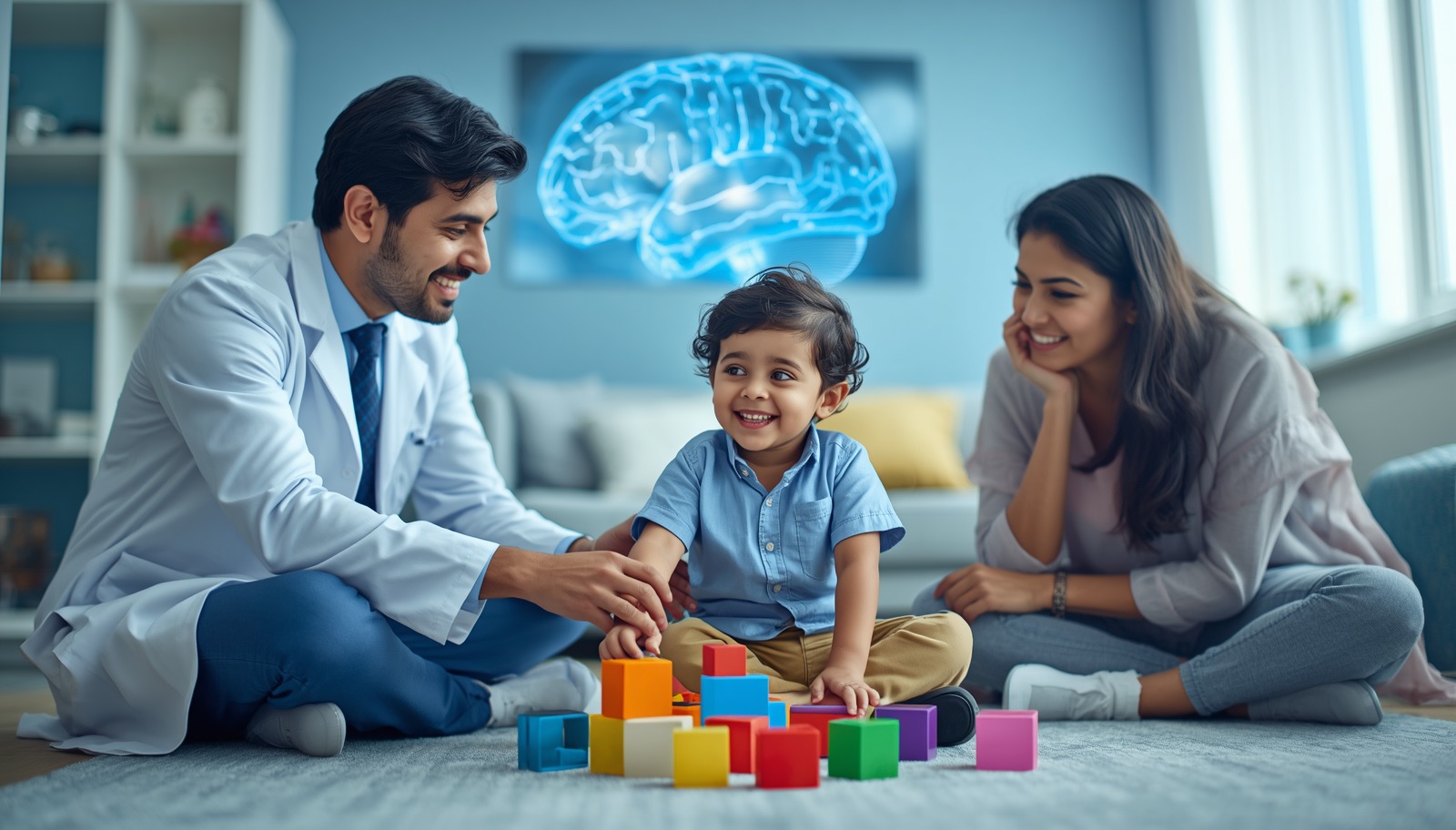
Common Neurological Disorders in Children
Early Signs Every Parent Should Know
Is Your Child's Brain Development on the Right Track?
Every parent cherishes watching their child achieve important milestones—smiling, crawling, walking, speaking their first words, and gradually exploring the world with confidence. These milestones are more than memorable moments; they reflect the healthy growth and development of a child's nervous system. However, when development does not progress as expected or when unusual symptoms begin to appear, parents often find themselves anxious and searching for answers.
At Vimalalaya Hospital, regarded by many families as The Best Hospital in Electronic City Bengaluru, our Paediatric Department believes that awareness is the first step towards better health. Neurological disorders in children may seem overwhelming, but many of these conditions can be effectively managed when recognised early. Advances in paediatric medicine, diagnostic technology, rehabilitation, and developmental therapies have transformed the outlook for countless children, enabling them to lead active, productive, and fulfilling lives. Understanding the early warning signs and seeking timely medical attention can make all the difference in a child's future.
Understanding Neurological Disorders: More Than Just Diseases of the Brain
The nervous system is the body's command centre, controlling everything from movement and sensation to speech, learning, memory, behaviour, and emotional development. Neurological disorders occur when there is a problem affecting the brain, spinal cord, nerves, or muscles. In children, these conditions are often quite different from those seen in adults because the nervous system is still developing.
Some neurological disorders may be present from birth due to genetic or developmental abnormalities, while others may arise because of complications during pregnancy, birth related injuries, infections, metabolic disorders, trauma, or certain nutritional deficiencies. Since every child develops at a unique pace, distinguishing between normal developmental variation and an underlying neurological condition requires careful clinical evaluation by experienced paediatric specialists.
The encouraging news is that early diagnosis, coupled with appropriate treatment and rehabilitation, allows many children to overcome developmental challenges and enjoy a significantly improved quality of life.
When a Seizure Isn't Just a Seizure: Understanding Childhood Epilepsy
One of the most frequently encountered neurological disorders in children is epilepsy. The word "seizure" often creates fear among parents because it is commonly associated with violent body movements. In reality, seizures can present in many different ways. Some children may experience brief episodes of staring blankly, sudden loss of awareness, unusual repetitive movements, or momentary confusion without any dramatic shaking of the body.
Not every seizure indicates epilepsy. Temporary seizures may occur due to high fever, low blood sugar, electrolyte imbalance, infections affecting the brain, or certain metabolic disturbances. This is why a detailed medical evaluation is essential before arriving at a diagnosis.
Paediatricians usually recommend investigations such as an Electroencephalogram (EEG), blood tests, and, when necessary, MRI imaging of the brain to determine the underlying cause.
Once diagnosed accurately, epilepsy can often be controlled effectively with medication. Many children receiving appropriate treatment continue their education, participate in sports, and enjoy a completely normal childhood with minimal restrictions.
Perhaps the greatest reassurance for parents is knowing that epilepsy is a manageable condition, and with regular follow-up and adherence to treatment, most children experience excellent long-term outcomes.
Why Some Children Struggle with Movement: Understanding Cerebral Palsy
Movement comes naturally to most children, but for some, simple activities such as sitting, standing, walking, or holding objects become challenging because of a neurological condition known as cerebral palsy.
Cerebral palsy results from damage to the developing brain, usually occurring before birth, during delivery, or shortly after birth. The condition primarily affects muscle tone, coordination, balance, and posture. Depending on the severity, children may experience stiffness of the limbs, poor muscle control, delayed motor milestones, feeding difficulties, or speech-related problems.
Although cerebral palsy is a lifelong condition, it is important for parents to understand that it is not a progressive disease. With timely intervention, children often achieve remarkable improvements in mobility and independence. Physiotherapy strengthens muscles and improves balance, occupational therapy enhances everyday functional skills, while speech therapy supports communication and feeding. When combined with compassionate family support and regular medical supervision, these therapies enable many children to participate actively in school and social life.
Could Delayed Speech or Poor Eye Contact Be an Early Sign?
One of the most common concerns parents discuss with paediatricians is delayed speech or limited interaction with others. While some children naturally begin speaking later than their peers, persistent delays in communication or social engagement should never be ignored.
Autism Spectrum Disorder (ASD) is a neurodevelopmental condition that affects communication, social interaction, and behaviour. Children with autism may avoid eye contact, show limited response when called by name, prefer playing alone, display repetitive behaviours, or become unusually sensitive to sounds, lights, or textures.
Every child with autism is unique, which is why the condition is referred to as a "spectrum." Some children require extensive support, while others develop exceptional skills and function independently with appropriate intervention.
The earlier autism is identified, the better the opportunity for improving communication, learning, and social interaction. Behavioural therapy, speech and language therapy, occupational therapy, and active parental participation together form the foundation of successful management. Early intervention allows the developing brain to adapt more effectively, giving children the best possible opportunity to reach their full potential.
When Restlessness Is More Than Just Childhood Energy
Children are naturally energetic, curious, and playful. However, when excessive activity begins to interfere with learning, relationships, or daily functioning, it may indicate attention deficit hyperactivity disorder (ADHD).
Children with ADHD often struggle to concentrate for prolonged periods, become easily distracted, interrupt conversations, act impulsively, or constantly move from one activity to another. These behaviours may affect classroom performance and sometimes lead to misunderstandings, with children being unfairly labelled as careless or disobedient.
A comprehensive evaluation helps differentiate normal childhood behaviour from ADHD. When diagnosed early, behavioural therapy, parental counselling, educational support, and, in selected cases, medication help children develop better concentration, self-control, and academic performance. With proper guidance, children with ADHD can excel in education, sports, and creative pursuits.
Every Child Develops Differently—but When Should Parents Worry?
Parents naturally compare their child's development with that of other children. While minor variations are entirely normal, significant delays in achieving developmental milestones deserve professional attention.
A child who is unable to sit, crawl, walk, speak meaningful words, or interact socially according to their age may have an underlying developmental disorder. Such delays can arise from neurological conditions, hearing impairment, genetic disorders, nutritional deficiencies, or other medical causes.
One of the greatest strengths of modern paediatric medicine is the emphasis on early developmental assessment. The developing brain possesses remarkable flexibility during the first few years of life. When developmental concerns are recognised early, targeted therapies can stimulate learning, improve communication, strengthen motor skills, and enhance social development. Waiting in the hope that a child will "catch up naturally" may delay valuable opportunities for intervention.
Get In Touch
Contact Us
+91 95130 25255
Vimalalaya Hospital
© 2026. Vimalalaya Hospital Trust
SUPER SPECIALITY HOSPITAL, ELECTRONIC CITY






CONTACT
Address: Huskur Gate, Hosur Rd, Post, Electronic City, Bengaluru, Karnataka 560100
Phone: 095130 25255
E-Mail: vimalalayahospital@gmail.com
QUICK LINKS
lnsurance CSR Activities Donate Us Contact Us


Reg. No. 61/1994-95. Registered Trust w.e.f. 05.07.1994 (Trust Registration Act 1961)
NABH PRE ACCREDITED
FOLLOW US