For 24/7 Emergency Care, Call : +91 95130 25255
Common Neurological Disorders in Children | Expert Paediatric Care at Vimalalaya Hospital - PART 2
Learn about common neurological disorders in children, their early signs, diagnosis, and treatment from the Paediatric experts at Vimalalaya Hospital, The Best Hospital in Electronic City Bengaluru.
PAEDIATRIC
7/28/2026
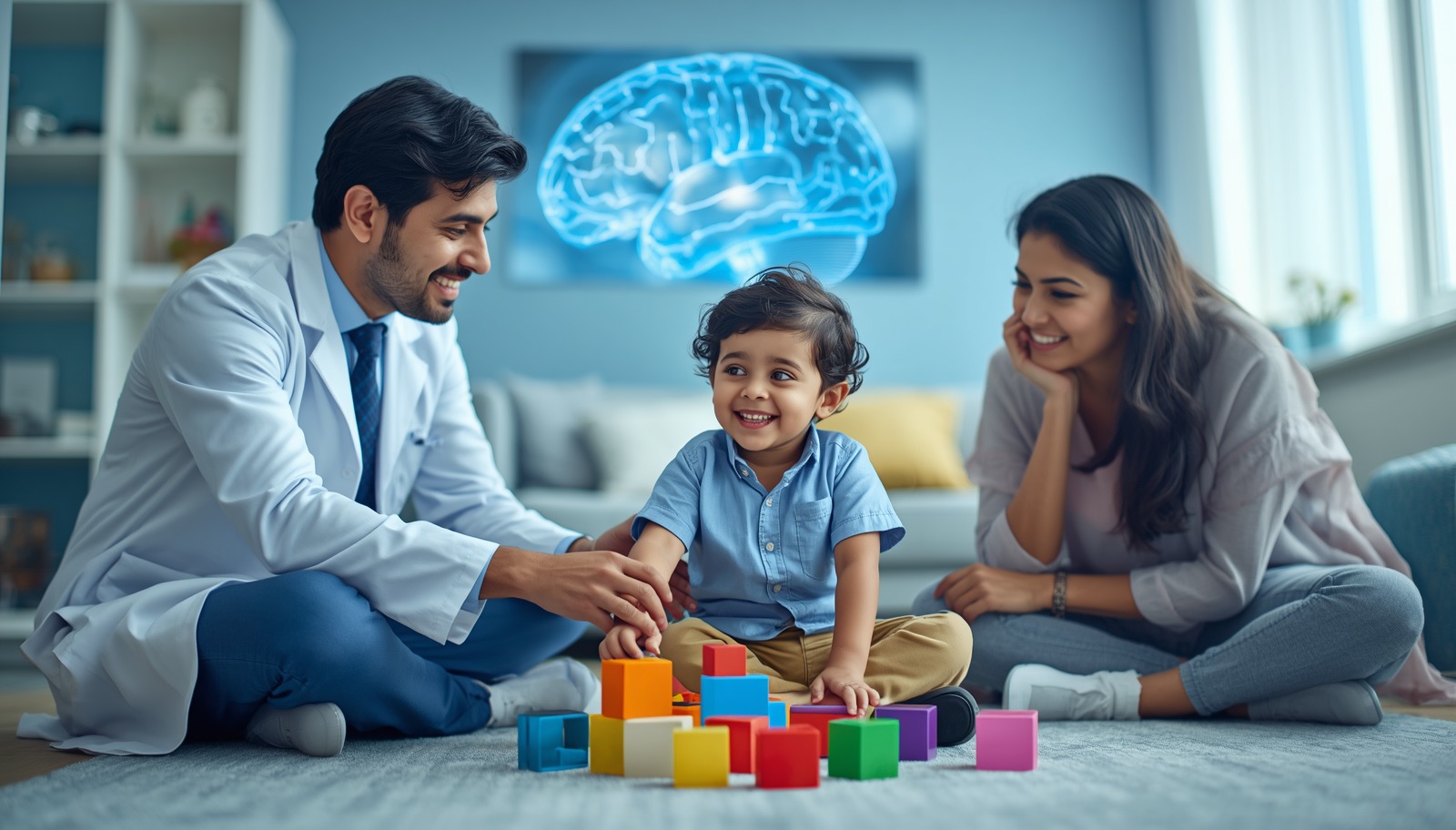
Common Neurological Disorders in Children
Early Signs Every Parent Should Know
PART -2
Missed Part 1? Read our introduction to common neurological disorders in children, including epilepsy, cerebral palsy, autism spectrum disorder, ADHD, and developmental delays before continuing with this article.
Many parents assume that headaches are a problem seen only in adults. However, headaches are increasingly being reported in children and adolescents. While occasional headaches may occur due to dehydration, lack of sleep, prolonged screen time, vision problems, or minor viral illnesses, recurring headaches should never be dismissed as insignificant.
Children may find it difficult to describe their symptoms clearly. Instead of complaining of pain, they may become unusually irritable, avoid bright lights, refuse food, or prefer to sleep. Some children may also experience nausea or vomiting, especially when suffering from migraines. Persistent headaches that occur early in the morning, are associated with repeated vomiting, poor balance, weakness, or changes in behaviour require immediate medical evaluation. Early diagnosis not only helps identify the underlying cause but also prevents unnecessary complications and ensures timely treatment.
Recognising the Warning Signs That Need Medical Attention
One of the greatest challenges for parents is deciding whether a particular symptom is part of normal childhood development or an indication of a neurological disorder. While every child develops at their own pace, certain symptoms should never be ignored.
Parents should seek immediate medical attention if they notice:
• Recurrent seizures or episodes of unconsciousness.
• Persistent delay in speech, walking, or other developmental milestones.
• Loss of previously acquired skills.
• Frequent falls or poor balance.
• Severe or recurrent headaches.
• Sudden weakness of an arm or leg.
• Difficulty swallowing or speaking.
• Persistent changes in behaviour or personality.
These warning signs do not necessarily indicate a serious neurological illness, but they do warrant prompt evaluation by a qualified paediatrician. Early assessment provides clarity, reassurance, and, when necessary, the opportunity to begin treatment before complications develop.
How Do Paediatricians Diagnose Neurological Disorders?
Every child is unique, and so is the approach to diagnosis. At Vimalalaya Hospital, we understand that no two children present with exactly the same symptoms. A detailed medical history, developmental assessment, and neurological examination form the cornerstone of diagnosis.
Depending on the child's condition, further investigations may include electroencephalography (EEG) to study brain activity, MRI or CT imaging to evaluate the brain and spinal cord, blood investigations to identify infections or metabolic disorders, hearing and vision assessments, developmental screening, and genetic testing whenever clinically indicated.
Rather than relying on a single test, paediatricians carefully correlate clinical findings with investigation results to arrive at an accurate diagnosis. This comprehensive approach ensures that every child receives personalised care tailored to their individual needs.
Modern Treatment Offers New Hope for Children
The management of neurological disorders has advanced tremendously over the past decade. Today, treatment extends well beyond medication alone and focuses on helping children achieve their maximum developmental potential.
Depending on the diagnosis, treatment may include medicines to control seizures, physiotherapy to improve strength and mobility, occupational therapy to develop everyday functional skills, speech and language therapy to enhance communication, behavioural therapy, nutritional counselling, and regular developmental monitoring.
Equally important is the role of parents and caregivers. Their encouragement, patience, and active participation in therapy sessions contribute immensely to a child's progress. When families and healthcare professionals work together, children often demonstrate remarkable improvement in physical abilities, communication, learning, and social interaction.
Can Neurological Disorders in Children Be Prevented?
Although not every neurological disorder can be prevented, many risk factors can be significantly reduced through appropriate healthcare practices. Regular antenatal check-ups, good maternal nutrition, safe delivery, newborn screening, timely immunisation, balanced nutrition during childhood, prompt treatment of infections, and regular developmental assessments all contribute to healthy neurological development.
Parents should also pay close attention to developmental milestones rather than adopting a "wait and watch" approach for prolonged periods. Simple concerns raised early often lead to timely interventions that prevent long-term developmental difficulties.
Why Early Intervention Can Change a Child's Entire Future
One of the most remarkable features of a child's brain is its ability to adapt and reorganise itself during the early years of life. This ability, known as neuroplasticity, allows the brain to form new connections and compensate for certain developmental challenges when appropriate intervention is initiated early.
For this reason, early diagnosis remains the cornerstone of successful paediatric neurological care. Children who receive timely medical treatment, rehabilitation, and developmental therapies often demonstrate significant improvement in speech, movement, learning, behaviour, and social interaction. Many go on to attend mainstream schools, participate in extracurricular activities, and lead confident, independent lives.
Delaying evaluation in the hope that symptoms will resolve on their own may result in missed opportunities during this critical period of brain development. Parents should therefore trust their instincts and seek professional guidance whenever developmental concerns arise.
Why Families Trust Vimalalaya Hospital for Paediatric Care
At Vimalalaya Hospital, we believe that every child deserves the highest standard of medical care delivered with compassion and understanding. Our Paediatric Department adopts a multidisciplinary approach, bringing together experienced paediatricians, rehabilitation specialists, nurses, therapists, and support staff to provide comprehensive care under one roof.
Recognised by many families as The Best Hospital in Electronic City Bengaluru, Vimalalaya Hospital is committed to early diagnosis, evidence-based treatment, family-centred care, and continuous developmental support. Every treatment plan is carefully individualised, ensuring that each child receives the attention, encouragement, and specialised care they deserve.
A Healthy Future Begins with Early Action
A child's neurological health plays a vital role in shaping their future learning, communication, emotional well-being, and overall quality of life. While neurological disorders may initially appear overwhelming, they are no longer barriers to a bright future when recognised and managed early. Advances in paediatric healthcare continue to provide new hope, allowing children to overcome challenges and realise their full potential.
If you notice delays in your child's development, recurrent headaches, seizures, unusual behavioural changes, or any concerns related to movement, speech, or learning, do not ignore these early warning signs. Seeking expert medical advice at the right time can make a lasting difference.
At Vimalalaya Hospital, proudly recognised by many as The Best Hospital in Electronic City Bengaluru, our dedicated Paediatric team is committed to providing compassionate, evidence-based care for children of all ages. We warmly welcome parents and caregivers to consult our specialists for timely evaluation, personalised treatment, and comprehensive developmental support because every child deserves the healthiest possible start in life.
Frequently Asked Questions (FAQs)
1. What are the most common neurological disorders seen in children?
The most common neurological disorders include epilepsy, cerebral palsy, Autism spectrum disorder (ASD), Attention Deficit Hyperactivity Disorder (ADHD), developmental delays, childhood migraines, and certain neuromuscular disorders.
2. When should parents consult a paediatrician for neurological symptoms?
Parents should seek medical advice if a child experiences recurrent seizures, persistent developmental delays, severe headaches, poor coordination, loss of previously acquired milestones, unusual behavioural changes, or difficulty speaking or walking.
3. Can neurological disorders in children be treated successfully?
Many neurological disorders can be effectively managed through early diagnosis, appropriate medication, rehabilitation therapies, developmental interventions, and regular follow-up. Early treatment often leads to significantly better long-term outcomes.
Get In Touch
Contact Us
+91 95130 25255
Vimalalaya Hospital
© 2026. Vimalalaya Hospital Trust
SUPER SPECIALITY HOSPITAL, ELECTRONIC CITY






CONTACT
Address: Huskur Gate, Hosur Rd, Post, Electronic City, Bengaluru, Karnataka 560100
Phone: 095130 25255
E-Mail: vimalalayahospital@gmail.com
QUICK LINKS
lnsurance CSR Activities Donate Us Contact Us
Reg. No. 61/1994-95. Registered Trust w.e.f. 05.07.1994 (Trust Registration Act 1961)
NABH PRE ACCREDITED
FOLLOW US