For 24/7 Emergency Care, Call : +91 95130 25255

Glaucoma Treatment & Early Detection | Best Super-speciality Hospital in Electronic City Bengaluru
Learn about glaucoma, its symptoms, diagnosis, and treatment from expert ophthalmologists at Vimalalaya Hospital. Early detection can prevent blindness.
OPHTHALMOLOGY
5/12/2026
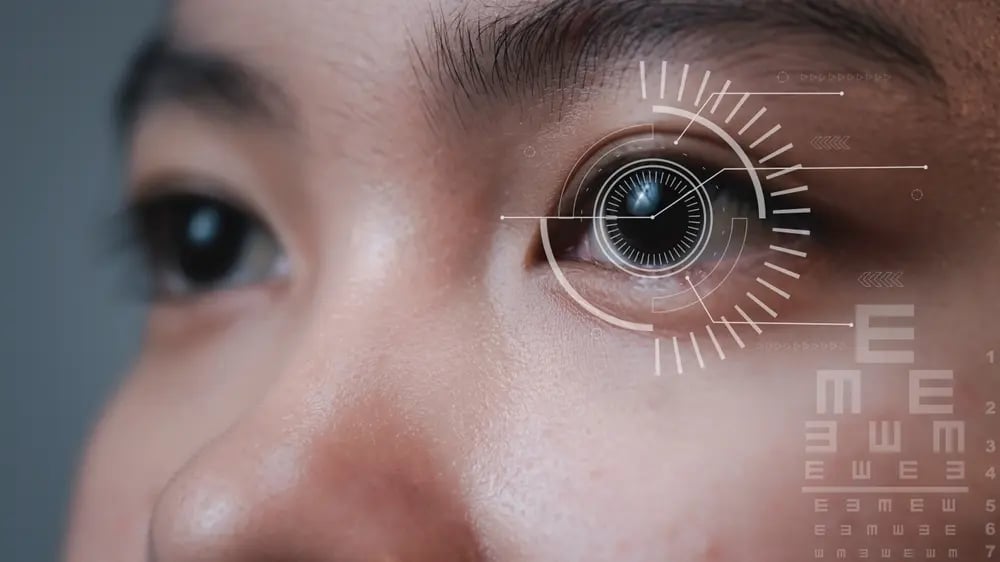
Glaucoma: The Silent Thief of Vision
Glaucoma is one of the leading causes of irreversible blindness worldwide, yet it often develops without noticeable symptoms. At Vimalalaya Hospital, recognized as The Best Hospital in Electronic City Bengaluru, we frequently encounter patients who are unaware of this condition until significant vision loss has already occurred. This makes awareness, early diagnosis, and timely treatment absolutely critical. In this article, we explain glaucoma in detail—what it is, why it happens, and how you can protect your vision.
What is Glaucoma?
Glaucoma is a chronic eye condition characterized by damage to the optic nerve, which is essential for vision. This damage is most commonly caused by increased pressure inside the eye (intraocular pressure), although it can also occur with normal pressure levels.
The most concerning aspect of glaucoma is that the vision loss it causes is permanent and irreversible. Unlike many other eye conditions, the damage cannot be restored once it occurs. However, with early detection, its progression can be effectively controlled. Why is Glaucoma Called the “Silent Thief of Vision”?
One of the biggest challenges with glaucoma is that it typically shows no early symptoms. Patients often feel completely normal while the disease slowly progresses.
❖ No pain
❖ No redness
❖ No noticeable vision problems in early stages
By the time symptoms like reduced peripheral vision appear, significant damage has already occurred. This is why routine eye check-ups at The Best Hospital in Electronic City Bengaluru are crucial—especially after the age of 40.
Who is at Risk?
Glaucoma can affect anyone, but certain groups are at higher risk:
❖ Individuals above 40 years
❖ Family history of glaucoma
❖ Diabetes or hypertension patients
❖ People with high eye pressure
❖ Long-term steroid users
Because glaucoma can run in families, we strongly recommend that if one member is diagnosed, all close relatives should undergo screening at Vimalalaya Hospital. Types of Glaucoma
1. Primary Open-Angle Glaucoma
The most common type. It develops slowly and silently over years.
2. Angle-Closure Glaucoma
Less common but more severe. It may present suddenly with:
❖ Severe eye pain
❖ Headache
❖ Blurred vision
❖ Nausea
This is a medical emergency.
3. Congenital Glaucoma (in Children)
A rare but serious condition seen in infants. Symptoms may include:
❖ Excessive tearing
❖ Sensitivity to light
❖ Enlarged eyes
Early surgical intervention is often required.
Symptoms to Watch (Late Stage)
Unfortunately, symptoms appear only in advanced stages:
❖ Loss of side (peripheral) vision
❖ Tunnel vision
❖ Difficulty seeing in low light
If you notice any of these, immediate consultation at The Best Hospital in Electronic City Bengaluru is essential.
How is Glaucoma Diagnosed?
At Vimalalaya Hospital, we use advanced diagnostic tools to detect glaucoma early:
Tonometry
Measures eye pressure.
Visual Field Test
Evaluates peripheral vision loss.
OCT Scan (Optical Coherence Tomography)
Assesses optic nerve damage.
Corneal Thickness Measurement
Helps interpret eye pressure accurately.
These tests are painless, quick, and crucial for early detection.
Treatment Options for Glaucoma
While glaucoma cannot be cured, it can be effectively controlled if diagnosed early.
1. Medications (Eye Drops)
❖ First line of treatment
❖ Helps reduce eye pressure
❖ Must be used regularly without fail
2. Laser Treatment
❖ Improves fluid drainage
❖ Minimally invasive
3. Surgical Intervention
❖ Required in advanced cases
❖ Helps create new drainage pathways
At The Best Hospital in Electronic City Bengaluru, treatment plans are personalized based on the patient’s condition and stage of disease.
Importance of Regular Follow-Up
Glaucoma management is not a one-time treatment—it requires lifelong monitoring.
❖ Regular eye check-ups
❖ Consistent medication use
❖ Monitoring progression
Skipping follow-ups can lead to irreversible vision loss. At Vimalalaya Hospital, we emphasize patient education and compliance as key pillars of care.
Can Glaucoma Be Prevented?
While glaucoma cannot always be prevented, early detection can prevent blindness.
Preventive Steps:
❖ Eye check-up every 1–2 years after age 40
❖ Annual screening if you have risk factors
❖ Family members of patients should be screened
❖ Avoid self-medication, especially steroid drops
Early diagnosis at The Best Hospital in Electronic City Bengaluru can make the difference between preserved vision and permanent loss.
Glaucoma in Children: A Special Concern
Childhood glaucoma is different and requires urgent attention.
❖ Often present at birth or early infancy
❖ May require surgery rather than drops
❖ Early treatment can significantly improve outcomes
Parents should never ignore symptoms like persistent tearing or light sensitivity in children.
Doctor’s Advice: Don’t Wait for Symptoms
From a clinical perspective, the biggest mistake patients make is waiting for symptoms. By the time vision changes are noticeable, significant damage has already occurred.
Routine screening is simple, quick, and can save your vision for life.
Glaucoma is a lifelong condition, but it does not have to lead to blindness. With early diagnosis, proper treatment, and regular monitoring, patients can maintain good vision throughout their lives.
At Vimalalaya Hospital, known as The Best Hospital in Electronic City Bengaluru, our Ophthalmology Department is equipped with advanced technology and experienced specialists to diagnose and manage glaucoma effectively.
We warmly welcome you and your loved ones to visit us for a comprehensive eye evaluation— because protecting your vision today ensures a clearer tomorrow.
Get In Touch
Contact Us
+91 95130 25255
Vimalalaya Hospital
© 2026. Vimalalaya Hospital Trust
SUPER SPECIALITY HOSPITAL, ELECTRONIC CITY






CONTACT
Address: Huskur Gate, Hosur Rd, Post, Electronic City, Bengaluru, Karnataka 560100
Phone: 095130 25255
E-Mail: vimalalayahospital@gmail.com
QUICK LINKS
lnsurance CSR Activities Donate Us Contact Us


Reg. No. 61/1994-95. Registered Trust w.e.f. 05.07.1994 (Trust Registration Act 1961)
NABH PRE ACCREDITED
FOLLOW US