For 24/7 Emergency Care, Call : +91 95130 25255

Gum Recession Treatment in Bengaluru | Causes, Symptoms & Prevention | Vimalalaya Hospital
Learn the causes, symptoms, prevention, and advanced treatment options for gum recession at Vimalalaya Hospital, The Best Hospital in Electronic City Bengaluru. Early diagnosis helps preserve healthy teeth and gums.
DENTAL
7/3/2026
Gum Recession
Early Signs, Causes, Prevention, and Modern Treatment Approaches
Protecting Your Smile Through Timely Dental Care
Good oral health extends far beyond maintaining white, healthy-looking teeth. The condition of the gums plays an equally important role in preserving long-term dental function and overall well-being. At Vimalalaya Hospital, recognized by many families as The Best Hospital in Electronic City Bengaluru, we frequently meet patients who are unaware that gum problems can develop gradually and silently. Among these concerns, gum recession is one of the most common conditions requiring early attention. Understanding its causes and seeking timely care can help prevent discomfort, tooth sensitivity, and future complications.
Understanding Gum Recession
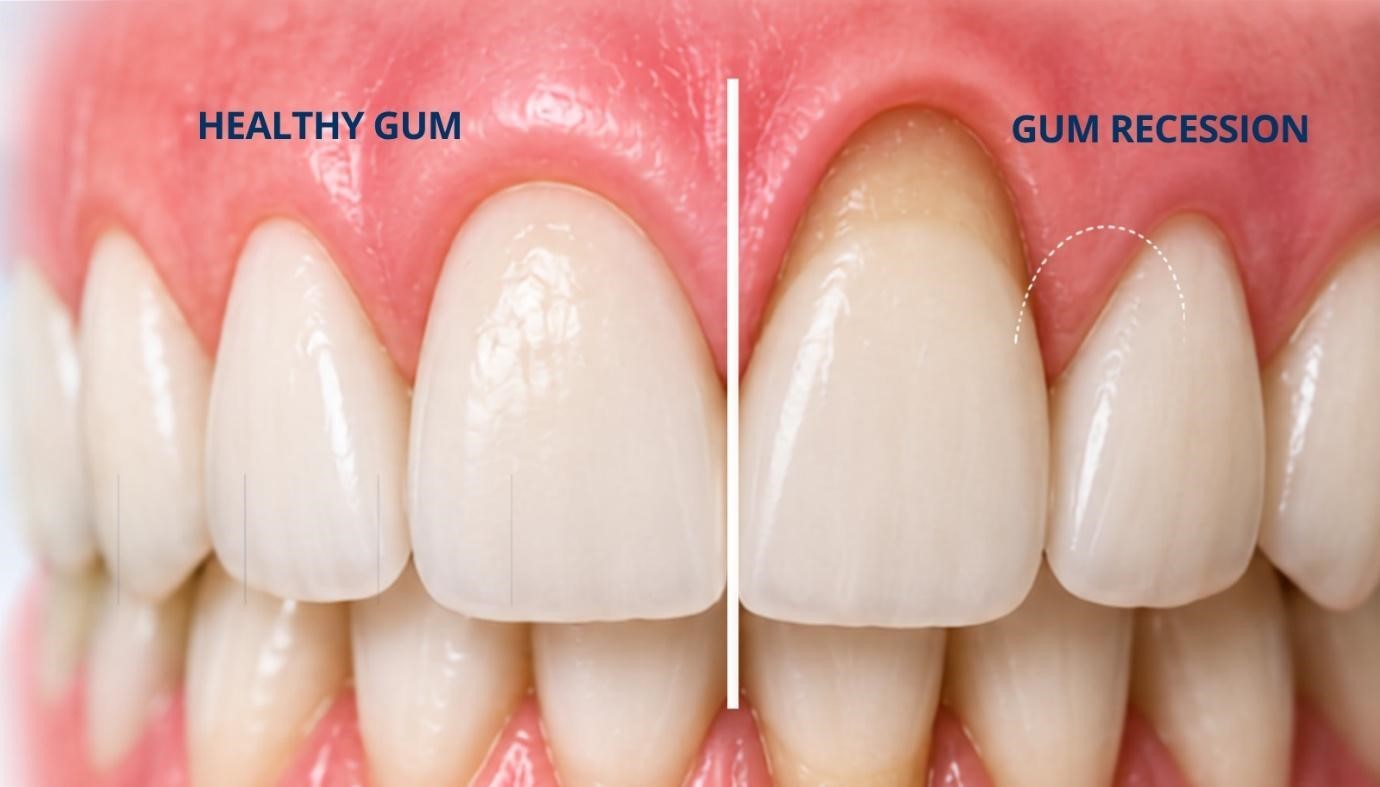
Gum recession occurs when the gum tissue surrounding the teeth gradually pulls away from its natural position, exposing portions of the tooth roots. Healthy gums serve as a protective barrier, supporting the teeth and shielding sensitive root surfaces from bacteria and external irritants.
In everyday clinical practice, many patients tell us, “Doctor, my teeth seem to have become longer than before.” In reality, the teeth themselves have not changed. Rather, the reduction in gum coverage creates the appearance of increased tooth length. This seemingly minor change often serves as the first indication that professional evaluation is needed.
When identified early, gum recession can often be managed effectively, preserving both oral function and aesthetics.
Recognizing the Early Warning Signs
The symptoms of gum recession may develop slowly, causing many individuals to overlook them until sensitivity or visible changes become more pronounced.
One of the earliest complaints involves increased sensitivity while consuming hot beverages, cold foods, sweets, or acidic items. Since the exposed root surface lacks the protective enamel covering found on the visible portion of the tooth, even minor temperature changes may trigger discomfort.
Patients may also notice:
• Teeth appearing longer than they previously did.
• Yellowish discoloration near the gum line due to exposed roots.
• Bleeding during brushing or flossing.
• Persistent bad breath despite routine cleaning.
• Small spaces developing between adjacent teeth.
• Mild movement or shifting of teeth in advanced stages.
At Vimalalaya Hospital, our specialists encourage patients not to dismiss these changes as a normal consequence of ageing. Early intervention frequently prevents more complex treatment requirements later.
Why Does Gum Recession Occur?
Gum recession rarely results from a single factor. Instead, it usually develops through a combination of lifestyle habits, oral hygiene practices, genetic influences, and underlying periodontal conditions.
Poor Oral Hygiene and Plaque Build-Up
The leading cause of gum recession remains inadequate removal of plaque and food debris.
When bacterial deposits accumulate around the gum line, chronic inflammation develops. Over time, this inflammation damages the supporting structures of the teeth, causing gradual loss of gum tissue.
Professional scaling, routine dental evaluations, and consistent home care remain the foundation of prevention.
Smoking and Tobacco Consumption
Tobacco significantly increases the risk of periodontal disease. Reduced blood circulation within the gums compromises healing mechanisms and weakens the body's natural defence against bacterial infections.
In our experience, individuals who smoke often present with more advanced gum problems despite reporting minimal symptoms. This delayed recognition frequently allows recession to progress unnoticed.
Quitting tobacco not only improves oral health outcomes but also contributes positively to overall systemic wellness.
Genetic Factors
Some people naturally possess thinner gum tissues or inherit a greater susceptibility to periodontal disease. A family history of gum problems may increase one's likelihood of experiencing recession, even with reasonably good oral hygiene practices.
Such individuals benefit from regular preventive assessments and early professional guidance.
Aggressive Brushing Habits
An often-overlooked contributor to gum recession is excessive brushing force. While maintaining oral hygiene is essential, vigorous scrubbing with hard-bristled toothbrushes can gradually damage delicate gum tissues.
We routinely advise patients to use soft-bristled brushes and gentle circular motions rather than aggressive horizontal strokes. Effective cleaning should protect the gums, not traumatize them.
Crooked Teeth and Bite Irregularities
Misaligned teeth create areas that are difficult to clean thoroughly, encouraging bacterial accumulation. Uneven biting forces may also place excessive pressure on specific teeth, contributing to localized gum recession.
Orthodontic evaluation can therefore play an important role in both prevention and long-term management.
Why Early Treatment Is So Important
One of the challenges associated with gum recession is its gradual progression. The condition often develops without severe pain, leading many individuals to postpone professional consultation.
However, untreated recession can result in:
• Persistent tooth sensitivity.
• Root surface decay.
• Progressive bone loss.
• Tooth mobility.
• Altered bite patterns.
• Eventual tooth loss.
Beyond physical discomfort, these issues may affect confidence, speech, chewing efficiency, and overall quality of life.
Comprehensive institutions such as Vimalalaya Hospital—considered by many residents as The Best Hospital in Electronic City Bengaluru—emphasize preventive care because addressing periodontal concerns early invariably produces better outcomes.
How Dentists Diagnose Gum Recession
Diagnosis begins with a detailed clinical examination. The dentist carefully measures the extent of gum loss, evaluates periodontal pocket depths, assesses tooth mobility, and identifies contributing factors such as plaque accumulation, bite discrepancies, or systemic health conditions.
Dental radiographs may be recommended to determine the condition of the underlying bone supporting the teeth. These findings enable the formulation of individualized treatment plans tailored to each patient's unique needs.
Modern dentistry increasingly focuses on preserving natural teeth through early intervention rather than managing complications after significant damage has occurred.
Modern Treatment Options
The most appropriate treatment depends upon both the severity of recession and its underlying cause.
Professional Scaling and Root Planing
In mild to moderate cases, professional cleaning procedures effectively remove plaque, calculus, and bacterial deposits responsible for inflammation. Root planing further smoothens root surfaces, encouraging healthier gum attachment and reducing disease progression.
Managing Tooth Sensitivity
Specialized desensitizing agents, fluoride applications, and therapeutic toothpastes may significantly reduce discomfort associated with exposed roots. These measures improve quality of life while addressing the underlying condition.
Orthodontic Interventions
Where tooth alignment contributes to recession, orthodontic treatment may help redistribute biting forces and facilitate improved oral hygiene access.
Gum Grafting Procedures
For advanced recession, periodontal surgery may offer the best long-term solution. Gum grafting procedures involve transplanting healthy tissue to cover exposed root surfaces, restoring both protection and aesthetic appearance.
Contemporary techniques provide highly predictable outcomes with minimal discomfort and excellent cosmetic results. At Vimalalaya Hospital, treatment decisions are always individualized, balancing clinical effectiveness with patient expectations and comfort.
Preventing Gum Recession Throughout Life
The most effective treatment remains prevention.
Good oral habits established during childhood and maintained throughout adulthood substantially reduce the likelihood of periodontal disease.
We encourage our patients to adopt a comprehensive preventive approach that includes twice-daily brushing with soft-bristled toothbrushes, daily flossing, regular six-month dental examinations, and professional cleaning when necessary. Avoiding tobacco products and addressing medical conditions such as diabetes further supports gum health.
Individuals with crowded teeth, family histories of gum disease, or recurring gum bleeding should seek evaluation promptly rather than waiting for symptoms to worsen.
Patient education continues to be central to the philosophy of care at Vimalalaya Hospital, helping families make informed decisions that preserve oral health for generations.
To Summarize
Healthy gums form the foundation of a healthy smile. Although gum recession may begin with subtle changes, timely diagnosis and appropriate treatment can successfully halt its progression and protect natural teeth for many years.
As dental professionals, we consistently observe that patients who seek care early experience simpler treatments, better outcomes, and greater long-term satisfaction. Paying attention to early warning signs—such as sensitivity, bleeding gums, or changes in tooth appearance—can make a significant difference.
At Vimalalaya Hospital, our Department of Dental & Periodontology remains committed to delivering compassionate, evidence-based care tailored to every patient's needs. If you or your loved ones notice symptoms suggestive of gum recession, we warmly welcome you to consult our specialists. Beneficiaries, families, and members of the community can rely on our experienced team for comprehensive evaluation, preventive guidance, and personalized treatment plans designed to preserve healthy smiles for life.
Get In Touch
Contact Us
+91 95130 25255
Vimalalaya Hospital
© 2026. Vimalalaya Hospital Trust
SUPER SPECIALITY HOSPITAL, ELECTRONIC CITY






CONTACT
Address: Huskur Gate, Hosur Rd, Post, Electronic City, Bengaluru, Karnataka 560100
Phone: 095130 25255
E-Mail: vimalalayahospital@gmail.com
QUICK LINKS
lnsurance CSR Activities Donate Us Contact Us


Reg. No. 61/1994-95. Registered Trust w.e.f. 05.07.1994 (Trust Registration Act 1961)
NABH PRE ACCREDITED
FOLLOW US