For 24/7 Emergency Care, Call : +91 95130 25255

Heart Palpitations: Causes, Symptoms, Diagnosis & Treatment | Vimalalaya Hospital Bengaluru
Learn about heart palpitations, irregular heartbeat, atrial fibrillation, ventricular tachycardia, causes, symptoms, diagnosis, and treatment from expert cardiologists at Vimalalaya Hospital, The Best Hospital in Electronic City Bengaluru.
CARDIOLOGY
6/7/2026

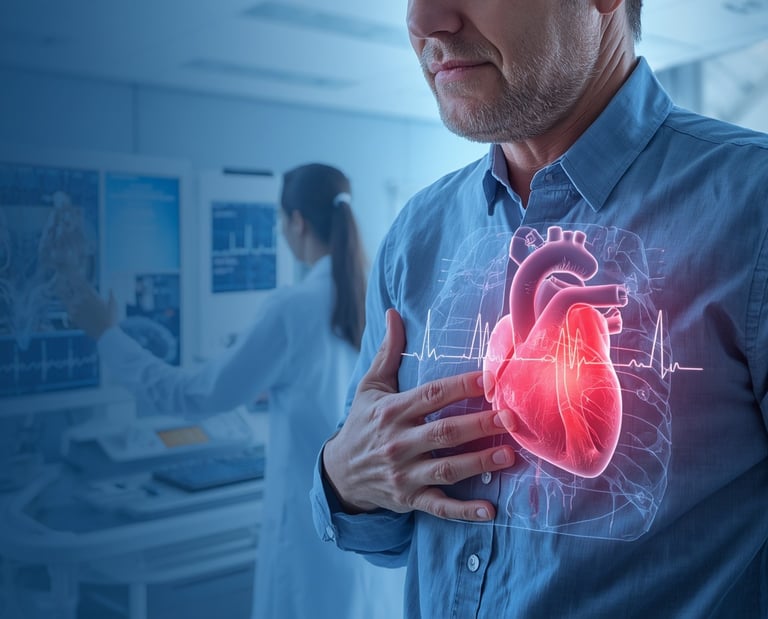
Heart Palpitations
Causes, Symptoms, Diagnosis & Treatment
PHave you ever suddenly become aware of your heartbeat racing, pounding, fluttering, or skipping a beat? Most people experience this sensation at some point in their lives. It may occur when you are frightened, stressed, excited, or physically exerting yourself. In many situations, a faster heartbeat is a normal response of the body. However, when these sensations occur frequently, without an obvious reason, or are accompanied by other symptoms, they may indicate an underlying heart rhythm disorder that requires medical attention.
At Vimalalaya Hospital, recognized by many patients as The Best Hospital in Electronic City Bengaluru, we regularly evaluate and treat individuals experiencing heart palpitations and cardiac rhythm abnormalities. Understanding what causes palpitations and knowing when to seek medical care can help prevent serious complications and ensure better heart health.
What Are Heart Palpitations?
Heart palpitations are the sensation of being unusually aware of your heartbeat. Some people describe them as a racing heart, while others feel fluttering, pounding, skipped beats, or an irregular rhythm in the chest. Although palpitations can be alarming, they are not always a sign of heart disease.
The heart normally beats in a coordinated and rhythmic manner. In healthy adults, the resting heart rate typically ranges between 60 and 100 beats per minute. The heart's electrical system controls this rhythm, ensuring that blood is pumped efficiently throughout the body. When this electrical system is disrupted, the heartbeat may become unusually fast, slow, or irregular.
When a Fast Heartbeat Is Normal
One of the most common causes of palpitations is a condition known as sinus tachycardia. In this situation, the heart beats faster than usual but maintains a normal rhythm. This is often the body's natural response to stress, anxiety, fear, physical activity, fever, or excitement.
Certain medical conditions, such as an overactive thyroid gland, can also cause sinus tachycardia. In most cases, the heartbeat returns to normal once the triggering factor subsides. Because sinus tachycardia follows the body's natural physiological response mechanisms, it is generally considered harmless.
However, if a rapid heartbeat occurs repeatedly without any identifiable trigger or persists for an extended period, it is important to undergo a medical evaluation to determine whether another condition may be responsible.
Understanding Extra Heartbeats
Many people occasionally experience a sensation that their heart has skipped a beat or produced an unexpected extra beat. This phenomenon is often caused by ventricular ectopic beats, also known as premature ventricular contractions.
These extra beats originate from the lower chambers of the heart and can occur even in individuals with completely normal hearts. Although they may feel uncomfortable or concerning, occasional ventricular ectopic beats are often harmless when there is no evidence of structural heart disease and cardiac investigations are normal.
Nevertheless, frequent episodes or worsening symptoms should not be ignored. A thorough cardiac assessment can help determine whether further treatment or monitoring is necessary.
Atrial Fibrillation: The Most Common Heart Rhythm Disorder
One of the most important and frequently encountered rhythm abnormalities is atrial fibrillation, commonly referred to as AF.
In atrial fibrillation, the upper chambers of the heart lose their coordinated electrical activity and begin beating in a chaotic manner. As a result, the heartbeat becomes irregular and often rapid. Patients may notice a fluttering sensation in the chest, episodes of rapid heartbeat, fatigue, breathlessness, dizziness, or reduced exercise capacity.
Atrial fibrillation is particularly common among older adults, although it can occur at any age. It may develop in individuals with high blood pressure, heart valve disease, coronary artery disease, thyroid disorders, or heart failure. In some cases, it occurs even in people with no obvious underlying heart condition.
The significance of atrial fibrillation extends beyond the symptoms it causes. When the heart beats irregularly, blood can pool inside certain chambers of the heart, increasing the risk of clot formation. If a clot travels to the brain, it can result in a stroke. This is why timely diagnosis and treatment of atrial fibrillation are extremely important.
Modern treatment approaches focus on controlling the heart rate, restoring normal rhythm when appropriate, and preventing stroke through the use of blood-thinning medications. With proper management, many patients with atrial fibrillation can continue to lead active and healthy lives.
Ventricular Tachycardia: A Potentially Dangerous Arrhythmia
Unlike sinus tachycardia, ventricular tachycardia (VT) is a potentially serious rhythm disorder that originates from the ventricles, the lower chambers of the heart.
In ventricular tachycardia, the heart begins beating at a very rapid rate, often reducing its ability to pump blood effectively. Patients may experience palpitations, dizziness, weakness, chest discomfort, or even loss of consciousness.
This condition is frequently associated with underlying heart disease, including previous heart attacks, cardiomyopathy, or structural abnormalities of the heart. Because ventricular tachycardia can rapidly deteriorate into more dangerous arrhythmias, immediate medical evaluation is essential.
Early diagnosis and appropriate treatment can significantly reduce the risk of life-threatening complications.
Ventricular Fibrillation: A Life-Threatening Emergency
Among all heart rhythm disorders, ventricular fibrillation (VF) is one of the most dangerous. In this condition, the electrical activity within the heart becomes completely disorganized. Instead of pumping blood effectively, the heart quivers ineffectively, causing an immediate loss of circulation.
When ventricular fibrillation occurs, the affected person may suddenly collapse, lose consciousness, and experience cardiac arrest. Without urgent treatment, survival is unlikely.
The most effective treatment for ventricular fibrillation is defibrillation, a procedure that delivers a controlled electrical shock to restore a normal heart rhythm. Prompt defibrillation can save lives and is one of the most critical interventions in emergency cardiac care.
Because ventricular fibrillation often occurs without warning, rapid access to emergency medical services is essential whenever a person suddenly collapses or becomes unresponsive.
When Should You Seek Medical Attention?
While occasional palpitations may not be a cause for concern, certain symptoms should never be ignored. Medical attention should be sought promptly if palpitations are accompanied by:
• Chest pain or chest pressure
• Shortness of breath
• Severe dizziness
• Fainting or near-fainting episodes
• Persistent rapid heartbeat
• A family history of sudden cardiac death
These symptoms may indicate a serious underlying cardiac condition that requires immediate evaluation.
How Are Palpitations Diagnosed?
Determining the cause of palpitations requires a detailed medical assessment. Your cardiologist will review your symptoms, medical history, and risk factors before recommending appropriate investigations.
Diagnostic tests may include an electrocardiogram (ECG), Holter monitoring, echocardiography, blood tests, or stress testing. These investigations help identify abnormalities in the heart's electrical system, detect structural heart disease, and guide the most appropriate treatment plan.
At Vimalalaya Hospital, considered by many as The Best Hospital in Electronic City Bengaluru, advanced diagnostic facilities and experienced cardiac specialists work together to provide accurate diagnosis and personalized treatment for heart rhythm disorders.
Maintaining a Healthy Heart Rhythm
Many cardiac rhythm disorders can be prevented or effectively managed through a hearthealthy lifestyle. Regular exercise, maintaining a healthy weight, controlling blood pressure and diabetes, avoiding tobacco products, limiting excessive caffeine and alcohol consumption, and managing stress can all contribute to better cardiovascular health.
Routine health check-ups are equally important, particularly for individuals with existing heart disease, hypertension, thyroid disorders, or a family history of cardiac conditions.
Heart palpitations are common and often harmless, especially when they occur in response to stress, excitement, or physical activity. However, recurrent, persistent, or irregular heartbeats may signal an underlying arrhythmia that deserves medical attention. Conditions such as atrial fibrillation, ventricular tachycardia, and ventricular fibrillation can lead to serious complications, including stroke, cardiac arrest, and sudden cardiac death if left untreated.
At Vimalalaya Hospital, proudly serving patients as The Best Hospital in Electronic City Bengaluru, our experienced cardiologists are committed to providing comprehensive evaluation, advanced diagnostics, and evidence-based treatment for all types of heart rhythm disorders. If you or a loved one has been experiencing palpitations or concerns about an irregular heartbeat, we warmly welcome you to visit our hospital and benefit from expert cardiac care tailored to your needs.
Get In Touch
Contact Us
+91 95130 25255
Vimalalaya Hospital
© 2026. Vimalalaya Hospital Trust
SUPER SPECIALITY HOSPITAL, ELECTRONIC CITY






CONTACT
Address: Huskur Gate, Hosur Rd, Post, Electronic City, Bengaluru, Karnataka 560100
Phone: 095130 25255
E-Mail: vimalalayahospital@gmail.com
QUICK LINKS
lnsurance CSR Activities Donate Us Contact Us
Reg. No. 61/1994-95. Registered Trust w.e.f. 05.07.1994 (Trust Registration Act 1961)
NABH PRE ACCREDITED
FOLLOW US